How Petrol Price in Pakistan 2025 Impact Daily Life & Expenses
Petrol is essential for transportation and industry in Pakistan. Any change in its price directly impacts households, businesses, and the national economy. Understanding how petrol prices influence daily life helps citizens and policymakers prepare for inflation, adjust spending, and plan for the future.
Table of Contents
Why Petrol Prices Matter in Pakistan
In a country where most goods are transported by road, petrol is more than just fuel for vehicles. It influences the cost of food, clothing, electricity, and even education. When petrol prices rise, the effect spreads across every sector of society.
Key Factors Driving Petrol Prices
- Global Oil Market: The dynamics of international supply and demand, production cuts, and geopolitical tensions all play a role in local fuel prices.
- Government Taxes: Taxes like the General Sales Tax (GST) and the Petroleum Development Levy (PDL) contribute to the retail price of petrol.
- Exchange Rates: Since oil imports are billed in US dollars, a weaker rupee means higher petrol costs in Pakistan.
- Local Demand and Supply: Seasonal spikes in demand from industries and agriculture can drive prices higher.
Impact on Daily Life
Transportation Costs
High-speed diesel powers buses, trucks, and trains. When its price increases, transport companies face higher expenses, which are passed on to passengers and consumers. A simple trip to work, school, or market becomes more expensive for millions of people.
Household Budgets
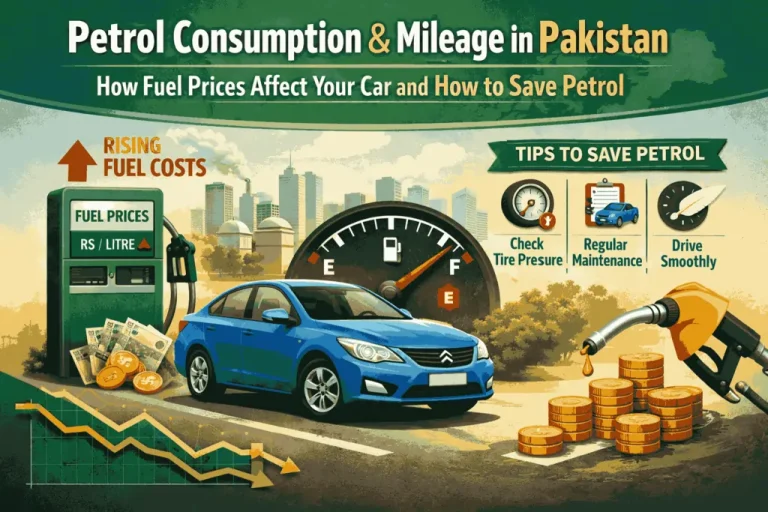
Private vehicle owners, including motorbike and rickshaw users, are directly affected. Families have to allocate more money to fuel, leaving less for food, healthcare, and education. In rural areas, rising kerosene prices increase cooking costs, adding further pressure on low-income households.
Food and Basic Goods
As transport costs rise, food prices also climb. Vegetables, grains, and fruits become more expensive, reducing purchasing power. Inflation hits hardest on lower- and middle-income families who already struggle with tight budgets.
Agriculture and Industry
Farmers rely on diesel for tractors, harvesters, and irrigation pumps. Increased fuel prices raise production costs, which in turn push up the prices of agricultural goods. Industries that depend on transport and energy also face higher input costs, reducing profitability and slowing growth.
Wider Economic Effects
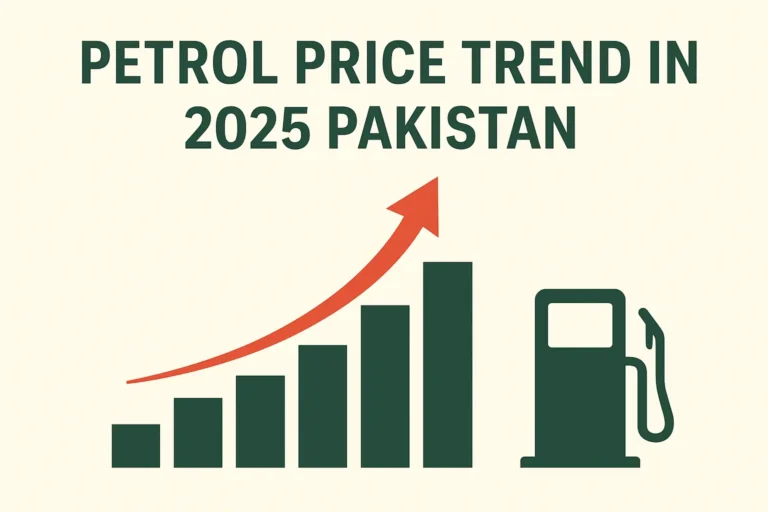
When petrol prices rise, inflation increases across the economy. The cost of goods and services rises, savings lose value, and businesses reduce investment. In 2024, Pakistan recorded some of its highest fuel prices, and inflation crossed 27 percent, showing how deeply fuel costs affect the broader economy.
Global Comparison
Petrol price fluctuations are not unique to Pakistan. Countries like India and Bangladesh face similar challenges, but they manage costs by providing subsidies or investing more in renewable energy. In contrast, oil-producing countries like Saudi Arabia and the UAE maintain relatively lower prices due to domestic production. Comparing these strategies highlights how Pakistan’s reliance on imports makes it more vulnerable.
How People Cope with Rising Petrol Prices
- Carpooling and Ride Sharing: Many urban workers now share rides to reduce individual fuel expenses.
- Public Transport: Increasing use of buses, metro, and rickshaws helps families save money.
- Fuel-Efficient Vehicles: Motorbikes and hybrid cars are becoming more popular among cost-conscious buyers.
- Lifestyle Adjustments: Families cut back on non-essential travel and spending to balance their budgets.
Long-Term Challenges and Possible Solutions
Relying heavily on imported oil keeps Pakistan vulnerable to international market changes. To reduce this dependence, experts suggest:
- Investing in local oil refining capacity
- Strengthening the Pakistani Rupee through stable economic policies
- Encouraging renewable energy sources like solar, wind, and hydropower
- Improving public transport to reduce reliance on private vehicles
Conclusion
Petrol prices in Pakistan touch every part of life, from daily commutes to food on the table. While global factors play a big role, domestic policies, taxation, and currency stability also determine the final price. Reducing dependence on imported fuel and investing in alternatives can help Pakistan move toward stability and ease the burden on citizens.